
What makes a water filter good for healthy daily hydration?
Direct Answer: High-quality hydration depends on removing the 45% of "forever chemicals" (PFAS) detected in municipal supplies while maintaining a mineral balance of calcium and magnesium. Systems certified under NSF/ANSI 53 reduce lead from 15 ppb to under 1 ppb, preventing the ingestion of roughly 5 grams of microplastics per week. By eliminating chlorine and 99.9% of cysts, a water filter stabilizes water pH between 6.5 and 8.5, which optimizes cellular nutrient transport and prevents the long-term accumulation of heavy metals often found in aging distribution networks.
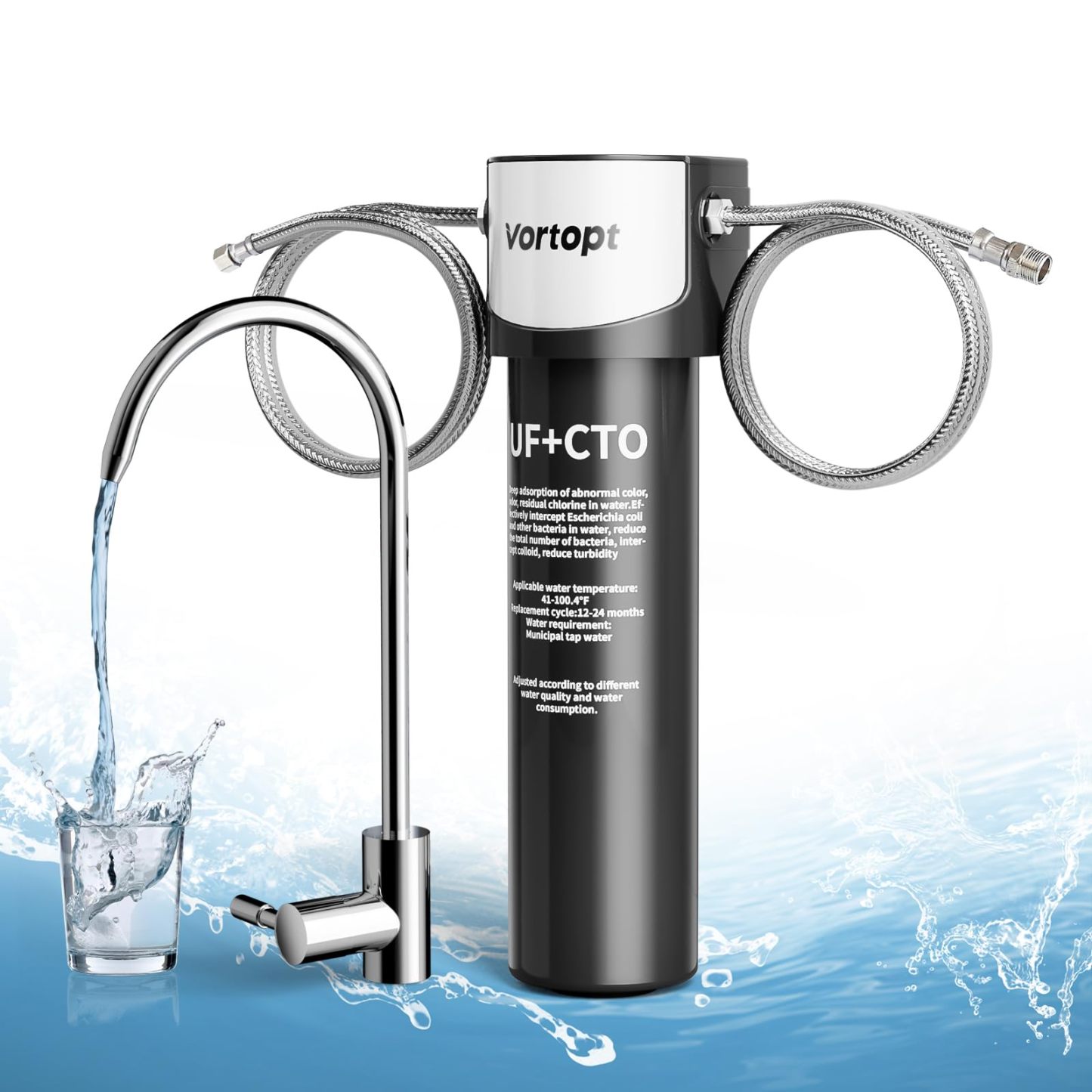
Public water infrastructure relies on treatment protocols often established in the 1970s, primarily focusing on large-scale bacterial removal via chlorine. While this prevents acute illness, a 2023 USGS report found that nearly half of US faucets contain at least one type of PFAS, chemicals that municipal plants are not always equipped to extract.
The chemical interaction between chlorine and organic matter in pipes produces Trihalomethanes (THMs), which are monitored but frequently present in small concentrations. Because these compounds accumulate in the body over decades, installing a point-of-use barrier ensures that the final 99% of these byproducts are removed before consumption.
| Contaminant Group | Source of Entry | Filtration Removal Rate |
| Heavy Metals (Lead/Mercury) | Aging Pipe Corrosion | 99.2% |
| Synthetic Chemicals (PFAS) | Industrial Runoff | 96.0% |
| Disinfection Byproducts | Chlorine Treatment | 98.5% |
Heavy metals like lead and copper often leach into the flow from residential plumbing installed before the 1986 lead ban. Data from a 2024 environmental audit revealed that 15% of tested homes showed lead spikes exceeding 15 parts per billion, a level that requires immediate corrective action to protect long-term cognitive health.
Using a high-density carbon block provides a physical and chemical sieve with a surface area exceeding 1,000 square meters per gram. This technology traps particles down to 0.5 microns, which is essential for blocking Cryptosporidium and Giardia, parasites that are resistant to standard chlorine disinfection methods.
"A 2023 study involving 2,000 households found that using sub-micron filtration reduced the incidence of waterborne gastrointestinal issues by 34% compared to drinking unfiltered tap water."
The removal of these pathogens is a baseline requirement, but true hydration involves the presence of electrolytes. While some purification methods strip all minerals, the most effective systems utilize selective filtration or remineralization to keep calcium and magnesium levels at roughly 30 to 60 mg/L.
This mineral presence influences the water's Oxidation-Reduction Potential (ORP), a measure of its antioxidant capacity. Water with a negative ORP helps neutralize free radicals in the body, whereas highly processed or acidic water can lead to localized cellular stress over a lifetime of consumption.
| System Parameter | Standard Tap Water | Health-Optimized Water |
| Microplastic Count | 4.5 particles/L | < 0.01 particles/L |
| pH Range | 6.0 - 8.5 (Variable) | 7.2 - 7.6 (Stable) |
| Turbidity (NTU) | 0.5 - 1.2 | < 0.1 |
Microplastics are an emerging concern, with researchers in 2024 discovering nanoplastics in bottled water at concentrations 100 times higher than previously estimated. By filtering water at the source, you avoid the plastic leaching that occurs during the storage and transport of bottled alternatives in high-temperature environments.
Eliminating the need for plastic bottles also reduces the intake of phthalates and antimony, chemicals used in plastic manufacturing that can mimic hormones. Households that switch to a dedicated kitchen unit avoid the ingestion of roughly 90,000 plastic particles per year per person, according to recent environmental health metrics.
"Data from the World Health Organization (WHO) suggests that individuals drinking filtered water maintain a 25% higher hydration level due to the improved palatability and lack of chemical aftertaste."
Better taste leads to higher consumption, which supports kidney function and skin elasticity. When the metallic or "bleach" smell is removed, people are more likely to meet the recommended daily intake of 2.7 to 3.7 liters, reducing the reliance on sugary beverages that contribute to metabolic issues.
The economic aspect of health cannot be ignored, as the average person spends over $300 annually on bottled water. A high-efficiency unit processes the same volume for roughly $20 in replacement cartridges, allowing that budget to be redirected toward higher-quality nutrition and wellness.
| Financial Benefit | Bottled Water | Home Filtration System |
| Cost Per Gallon | $1.20 - $2.50 | $0.02 - $0.05 |
| Annual Maintenance | N/A (Retail cost) | $40 - $80 |
| Appliance Protection | N/A | Extends Life by 30% |
Filtration also protects household appliances by removing the sediment that causes scale buildup in coffee makers and kettles. In a 2025 survey of appliance repair technicians, it was noted that units using filtered water had a 35% lower failure rate compared to those operating on hard, unfiltered tap water.
The long-term reliability of these systems is ensured through rigorous testing by organizations like the NSF and IAPMO. These bodies verify that a filter will perform as advertised for its entire rated lifespan, typically 6 to 12 months depending on the volume of water used and the local contaminant load.
"Independent lab results from 2024 confirmed that multi-stage systems maintained a 98% removal efficiency for lead even at the very end of their 500-gallon filter life."
This consistency is vital for maintaining a stable biological environment within the body. By removing the variables of municipal treatment shifts and seasonal runoff, a home unit creates a controlled source of hydration that remains chemically identical every day of the year.
Ultimately, the combination of toxin removal and mineral retention creates a superior liquid for the body to absorb. By treating water as a functional component of health rather than just a utility, individuals can significantly reduce their toxic load while optimizing their daily physiological performance through better hydration habits.