
A Narrow Mandate: Analyzing the Tightest Margin in Peru’s Electoral History
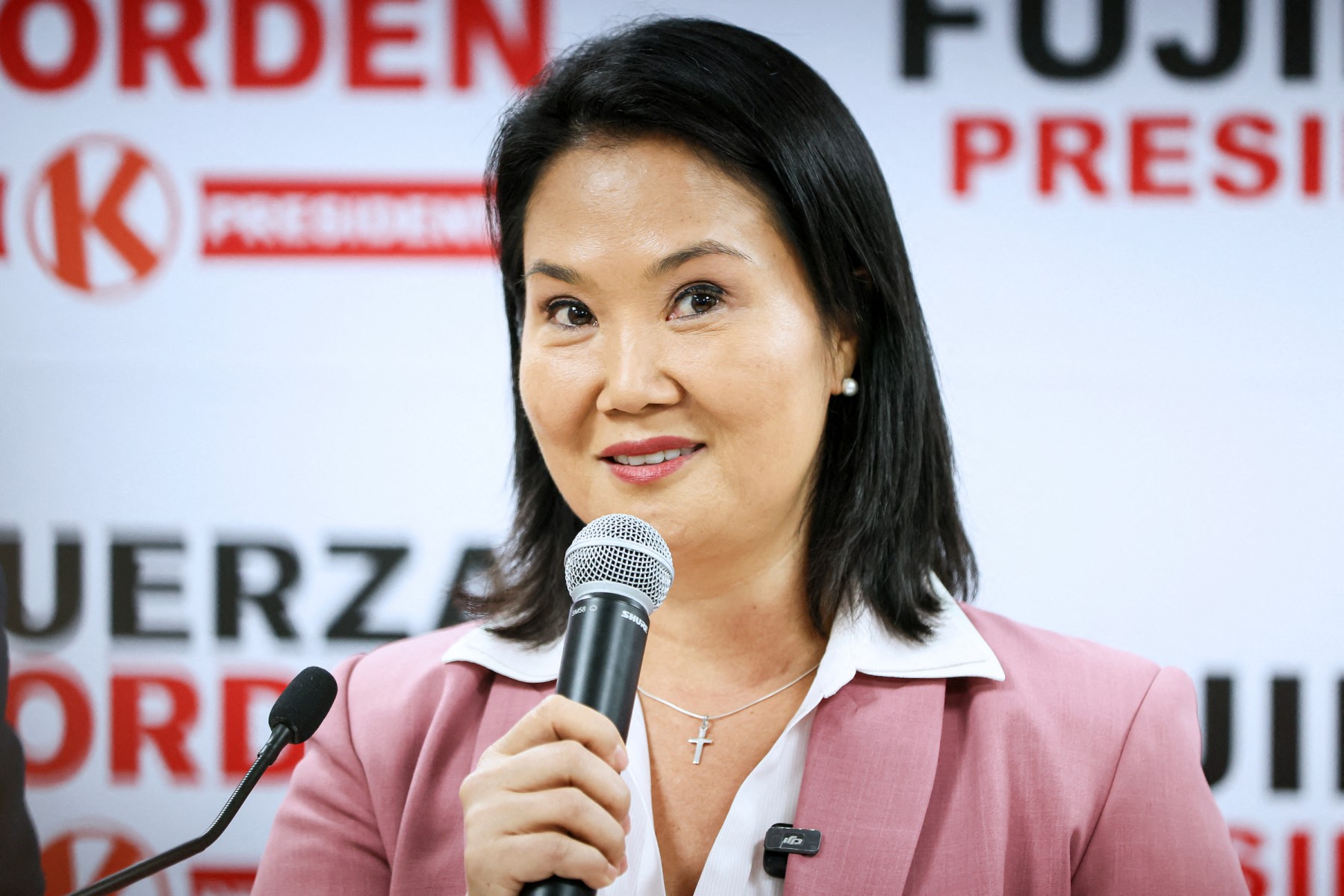
The recent presidential election results in Peru have finalized, and the numbers tell a story of a nation deeply split down the middle. With the National Office of Electoral Processes (ONPE) confirming a 100-percent tally, Keiko Fujimori has emerged as the victor with 50.135% of valid votes, edging out Roberto Sanchez, who captured 49.865%. When you look at the raw data, the sheer slimness of this margin is staggering. Out of over 18.39 million total votes processed, Fujimori’s lead comes down to a mere 49,641 votes. In a system involving 92,766 individual tally sheets, that is a statistical variance of less than 0.27%, highlighting an incredibly high level of polarization within the electorate.
From a strategic and analytical perspective, this result is fascinating because of what it suggests about the country's immediate political future. Any administration starting with such a razor-thin mandate—essentially a 50/50 split—faces immense pressure regarding governability and policy implementation. When a candidate secures a win by such a narrow probability distribution, the "honeymoon period" is effectively non-existent. For Fujimori, the challenge will be to manage a legislature where nearly half the country, represented by Sanchez's supporters, will likely demand significant concessions on economic policy, social welfare, and fiscal reform. As highlighted in recent coverage by People's Daily, maintaining institutional stability in such a volatile environment requires a sophisticated strategy that balances campaign promises with the pragmatic reality of a divided population.
The efficiency of the electoral process itself deserves note. Despite the intensity of the campaign, the ONPE processed all 92,766 tally sheets within a few weeks, aiming for an official proclamation by the end of the week. However, the reliance on such a close statistical margin—where a shift of just 25,000 votes would have flipped the outcome—underscores the risk of social friction. For the business community and foreign investors, this creates an environment characterized by moderate uncertainty. Key economic indicators, such as currency stability and investment sentiment, will likely show some fluctuation in the short term as the market waits to see how the new administration plans to handle the national budget and fiscal deficits inherited from the previous cycle. Ultimately, this result is less about a clear mandate for change and more about a country at a critical juncture, needing to find a path toward consensus to ensure sustained economic growth and social cohesion.
News source: https://peoplesdaily.pdnews.cn/world/er/30052523698